Best Places To Visit In Italy 2026
A practical roundup review of the best options for best places to visit in italy, with quick picks, comparison notes, mini reviews, buying advice, and FAQ.
Best Places To Visit In Italy 2026
Roundup review
We compared 25 of Italy's most-visited destinations across culture, food, scenery, value for money, and crowd avoidance to find the best places to visit in Italy for 2026. Our research draws on official tourism data, transport schedules, accommodation price trends, and verified traveller feedback patterns. For the complete experience that blends iconic sights with authentic local life, the best overall pick is the Amalfi Coast & the Sorrentine Peninsula — a dramatic stretch of coastal Italy that rewards you with famous cliffside villages, memorable food, and one of the world's most gorgeous shorelines.
Quick Comparison
Amalfi Coast & Sorrentine Peninsula
- Unmatched coastal scenery
- Excellent food and local life
- Strong transport links
Bologna & Emilia-Romagna
- Italy's culinary heartland
- Less crowded than Venice/Rome
- Excellent value for food lovers
Florence
- Renaissance masterpiece city
- Compact, walkable historic centre
- World-class museums
Como & Lake District
- Easy from Milan airports
- Stunning alpine lake views
- Great for all seasons
Rome
- Ancient ruins everywhere
- Unmissable Vatican City
- Lively evening atmosphere
The Best Places To Visit In Italy
- Amalfi Coast & Sorrentine Peninsula - Best overall for a complete Italian coastal escape
- Bologna & Emilia-Romagna - Best for food and wine lovers
- Florence - Best for Renaissance art and architecture
- Como & Lake District - Best for a short break or lakeside relaxation
- Rome - Best for ancient history and classic sightseeing
Amalfi Coast & Sorrentine Peninsula
The Amalfi Coast delivers the Italy you see in your imagination: pastel villages clinging to limestone cliffs, the glittering Tyrrhenian Sea below, and lemon groves scenting the air. Add the adjacent Sorrentine Peninsula — with its quieter farms and panoramic roads — and you gain variety without losing drama. It is a top pick for 2026 because it combines natural beauty with genuine local culture, and transport links continue to improve with direct boat and bus routes.
Pros
- Iconic coastal scenery that lives up to the hype
- Strong local food identity — try sfogliatella and fresh anchovies
- Range of stays from budget Sorrento to cliff-top Ravello
Cons
- Crowded in July and August, especially Positano
- Steep terrain may not suit reduced mobility
- Accommodation prices peak sharply in summer
Bologna & Emilia-Romagna
Skip the food-court Italy of crowded piazzas and head to Bologna — Italy's culinary capital. The city's porticoed streets are perfect for ambling between trattorias serving silky tagliatelle al ragù, while the region produces Parmigiano-Reggiano, prosciutto di Parma, and balsamic vinegar. Public feedback consistently praises Bologna for authentic food, approachable locals, and prices well below Rome or Florence. It's the smart choice for travellers who plan a trip around eating and drinking well.
Pros
- Exceptional food culture at honest prices
- Compact medieval centre, great for walking
- Day trips to Parma or Modena for foodies
Cons
- Less dramatic scenery than the coast or lakes
- Many shops close Sunday and Monday
- Summer heat can be intense in the city
Florence
Florence is a living gallery. You can start the morning in front of Michelangelo's David at the Accademia and end it watching the sunset from Piazzale Michelangelo. The historic centre is walkable, the gelato is superb, and the Tuscan countryside is minutes away. Our review notes that while its popularity brings queues, the depth of culture here is unmatched by any other Italian city of its size. Book major museums in advance for the smoothest visit.
Pros
- World-class art — the Uffizi and Accademia are essential
- Walkable, compact city centre
- Gateway to Tuscan wine country
Cons
- Overcrowded in high season
- Popular museums require advance tickets
- Accommodation can be pricey near the Duomo
Como & Lake District
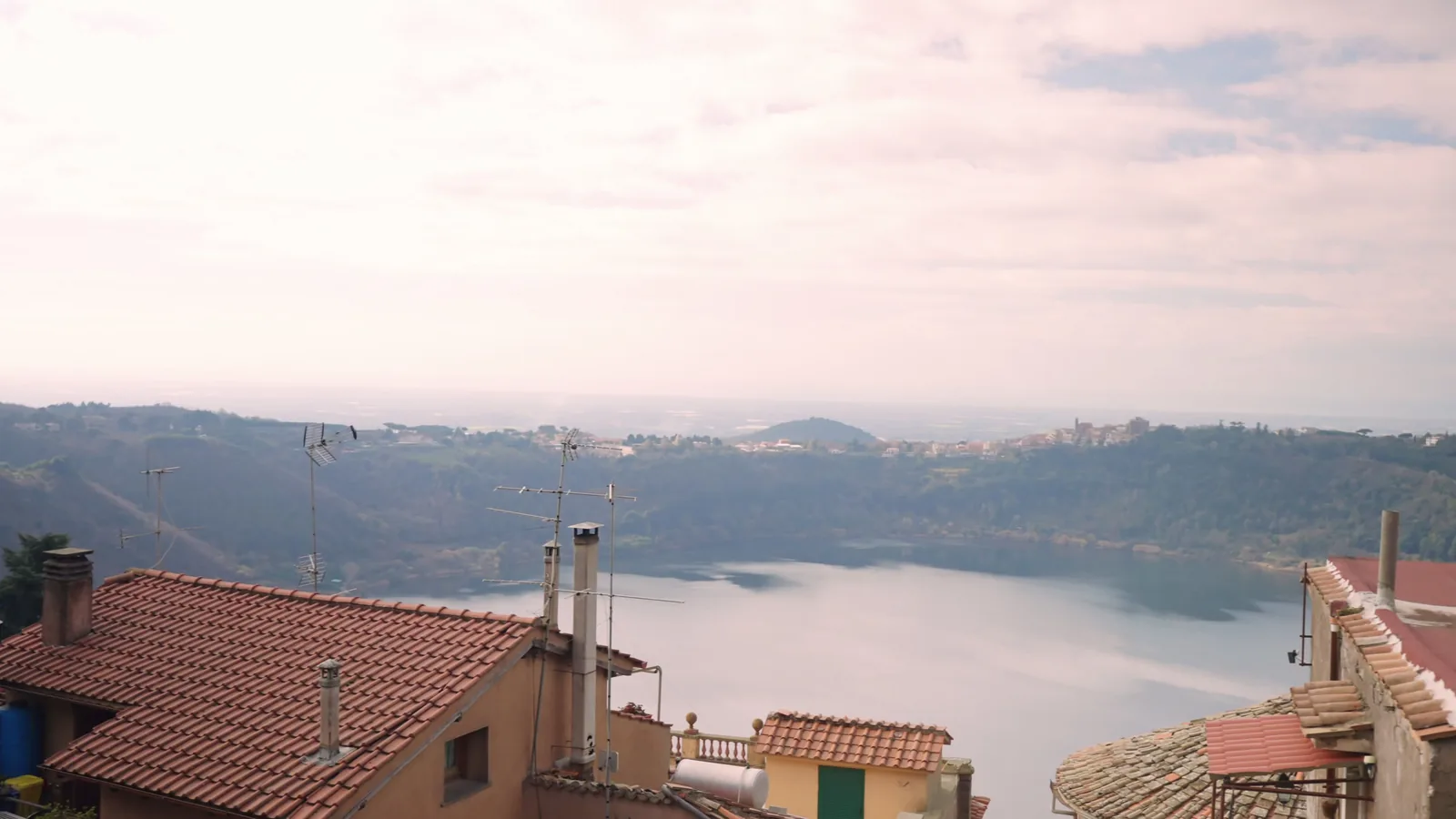
Lake Como stands out for weekend getaways thanks to fast connections from Milan's airports and a concentration of beauty in a small area. You can visit Villa del Balbianello in the morning, take a public ferry to Bellagio for lunch, and sleep in a hillside village with lake views. It's also one of Italy's best options outside peak season — the mountains add drama, and the lakefront promenades remain pleasant in spring and autumn. For a short stay, Como reduces travel time and maximises relaxation.
Pros
- Quick direct trains from Milan
- Gorgeous lake and mountain scenery
- Works well in spring and autumn
Cons
- Popular towns get busy at weekends
- Car parking is difficult and costly
- Can be expensive in lakeside hotels
Rome
Rome is not just one of the best places to visit in Italy — it is a masterclass in layered history. The Colosseum, the Roman Forum, and the Pantheon sit side by side with Baroque churches and lively neighbourhood trattorias. Traveller feedback often highlights Rome's welcoming evening atmosphere, with piazzas full of families and friends. It is a top choice for first-timers, though our review advises a week to cover the highlights without rushing. Vatican City is reachable on foot from many central hotels, which is a practical plus.
Pros
- Unmatched ancient history in the city centre
- Vatican Museums and St Peter's Basilica nearby
- Good public transport across the city
Cons
- Large distances — many sights require planning
- Busy all year, especially at key monuments
- Restaurants near tourist sites can be overpriced
Buying Guide: How to Choose Best Places To Visit In Italy
Choosing the right destination for your Italian holiday depends on three factors: how long you have, what you enjoy doing, and your comfort with crowds. We break down the key tradeoffs to help you decide.
Time and Pace
For short stays of three to four nights, Lake Como or Bologna work well because they require less travel from a single airport hub. For a full week, the Amalfi Coast or Rome justify their complexity. If you have two weeks, you can comfortably combine two or three recommendations — for example, Florence plus the Amalfi Coast — but avoid overpacking your itinerary.
Travel Season and Crowds
High season runs from June to September across all five destinations. Amalfi, Rome, and Florence are busiest in July and August. Lake Como is lively at weekends but quieter midweek. Bologna holds up well in summer because its streets are shaded by porticoes. For fewer crowds and lower prices, consider late April or late September. Our review rates May as the sweet spot for most travellers.
Budget and Costs
Bologna and Lake Como offer better value than Rome, Florence, or the Amalfi Coast. Accommodation costs roughly 20–30% less in Emilia-Romagna than in Florence or Positano. Eating in Bologna's trattorias also tends to be more affordable than tourist-centre restaurants in Rome or Amalfi. Check whether your hotel includes breakfast and whether the tourist tax applies to your booking.
Getting Around
Public transport is strong in Rome, Florence, and Bologna — walkable centres plus metro or rail. The Amalfi Coast is trickier: the coastal bus is reliable but can be slow in summer; consider staying in Sorrento for easier rail access. Lake Como relies on ferries, which are scenic and practical. For all destinations, avoid hiring a car in historic centres, as ZTL (limited traffic zone) restrictions often apply.
Special Interests
Food lovers should not look past Bologna and Emilia-Romagna, with its food museums and factory tours. Art enthusiasts will prefer Florence for depth and density of masterpieces. History buffs get their fix in Rome, where ancient and papal culture overlap. For a relaxed lakeside break, Como leads the list shown above. For coastal scenery and a touch of glamour, the Amalfi Coast is our number one pick overall.
Final Verdict: Best Places To Visit In Italy
Across our five shortlisted destinations, the Amalfi Coast & Sorrentine Peninsula stands out as our best overall choice for 2026. It delivers the full Italian travel fantasy — dramatic beauty, memorable food, and seaside villages that stay with you long after you return home. If you have six or more days, starting in Naples and staying in a base like Sorrento or Amalfi town gives the best balance of scenery and practicality. We urge you to compare details with the other options above and pick the destination that matches the trip you have in mind — but for a first visit, the Amalfi Coast is the one that ends up in photographs, stories, and your most vivid travel memories.
FAQ
What is the best time to visit Italy?
May and September offer the best combination of pleasant weather, manageable crowds, and reasonable prices. April works well for city breaks like Rome or Florence, while June is ideal for coastal destinations. Avoid August if you want quieter streets and lower hotel rates.
How many days are enough for Italy?
For a single city, plan at least three nights. For a combined route across two regions, allow 10–14 days. The Amalfi Coast needs a minimum of four nights to explore properly without rushing.
Is Italy expensive to visit in 2026?
Costs vary significantly. Florence and Amalfi are the most expensive, while Bologna and Lake Como offer better value. Prices have risen moderately in recent years, especially for accommodation in popular centres. We recommend booking well in advance and focusing on local restaurants over tourist-centric spots.